

At this point:News&Fairs
Application of Direct Reduced Iron in Electric Furnaces
Direct reduced iron is a high-quality raw material for smelting electric furnace steel, and its addition has an impact on the smelting time, energy consumption, steel yield, and residual elements in electric furnace steelmaking. Developing direct reduction of iron is beneficial for achieving energy conservation, emission reduction, green development, and the transformation and upgrading of the steel industry.
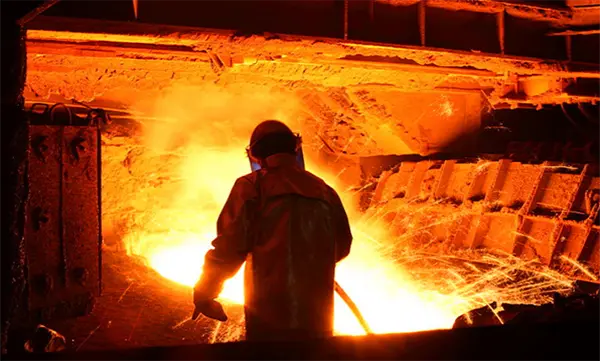
Produce hydrogen-based directly reduced iron (HDRI) in an EAF
Against the background of “carbon peak” and “carbon neutrality” in China, the traditional and long process of using a blast furnace converter in the steel industry is limited by many problems (such as limitations related to resources, energy, and the environment), and the carbon reduction potential of this process is also limited. The electric arc furnace (EAF) steelmaking process has the advantages of a shorter duration, recyclable resources, and low energy consumption, and the amount of carbon emissions of per ton of steel is far lower than that of the aforementioned longer process.
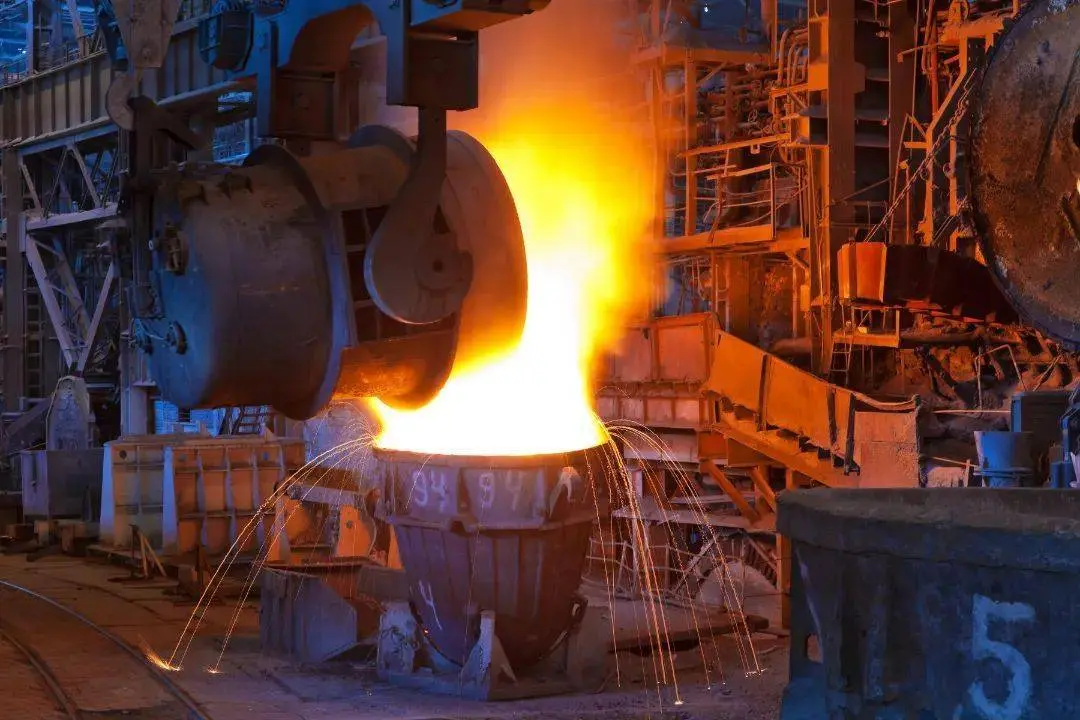
Four process flow of converter dust removal ash cold solidification pellets
The dust removal ash from the converter is transported by suction and discharge tank trucks to the raw material silo, and the ash is unloaded into the ash silo of the raw material silo system through pneumatic conveying, waiting for batching, humidification, and digestion. The dust removal ash is proportionally discharged to the humidifier by the impeller feeder for humidification, then enters the mixer for mixing, and finally transported to the digestion bin for digestion treatment.
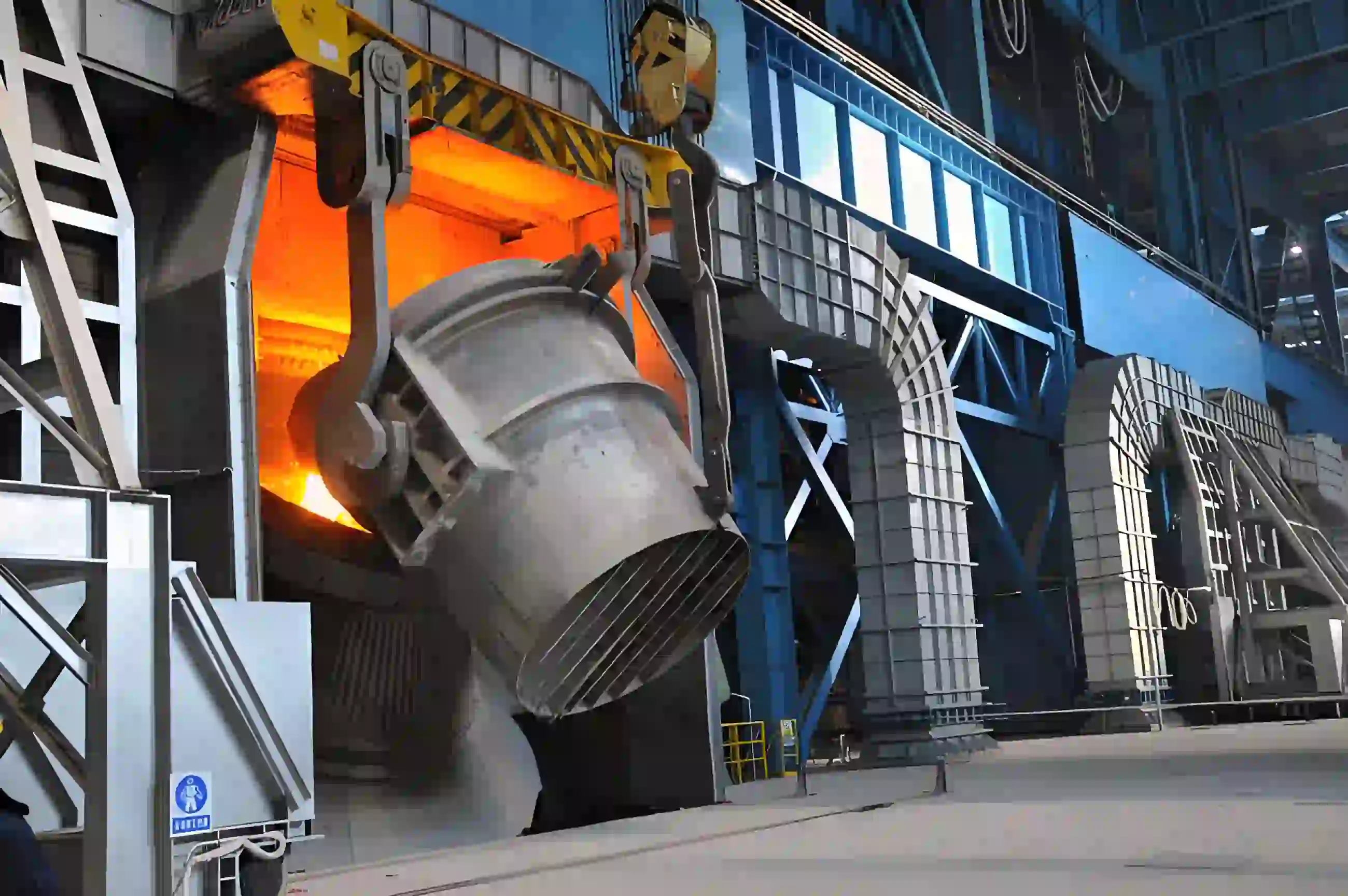
Solid Mixing
Solid mixing is an essential unit operation in industrial sectors including chemical engineering, metallurgy, building materials, pharmaceuticals, food and feed. It also serves as a pre-process core procedure in the production flow of briquette machines. Consistent and desirable mixing performance directly determines the uniformity, strength and qualified rate of finished briquettes. The selection and operation of intensive mixers (including
vertical intensive mixers
and
horizontal intensive mixers) are critical to guarantee mixing quality and connect subsequent briquetting processes, and also lay the foundation for the design of complete powder processing
and
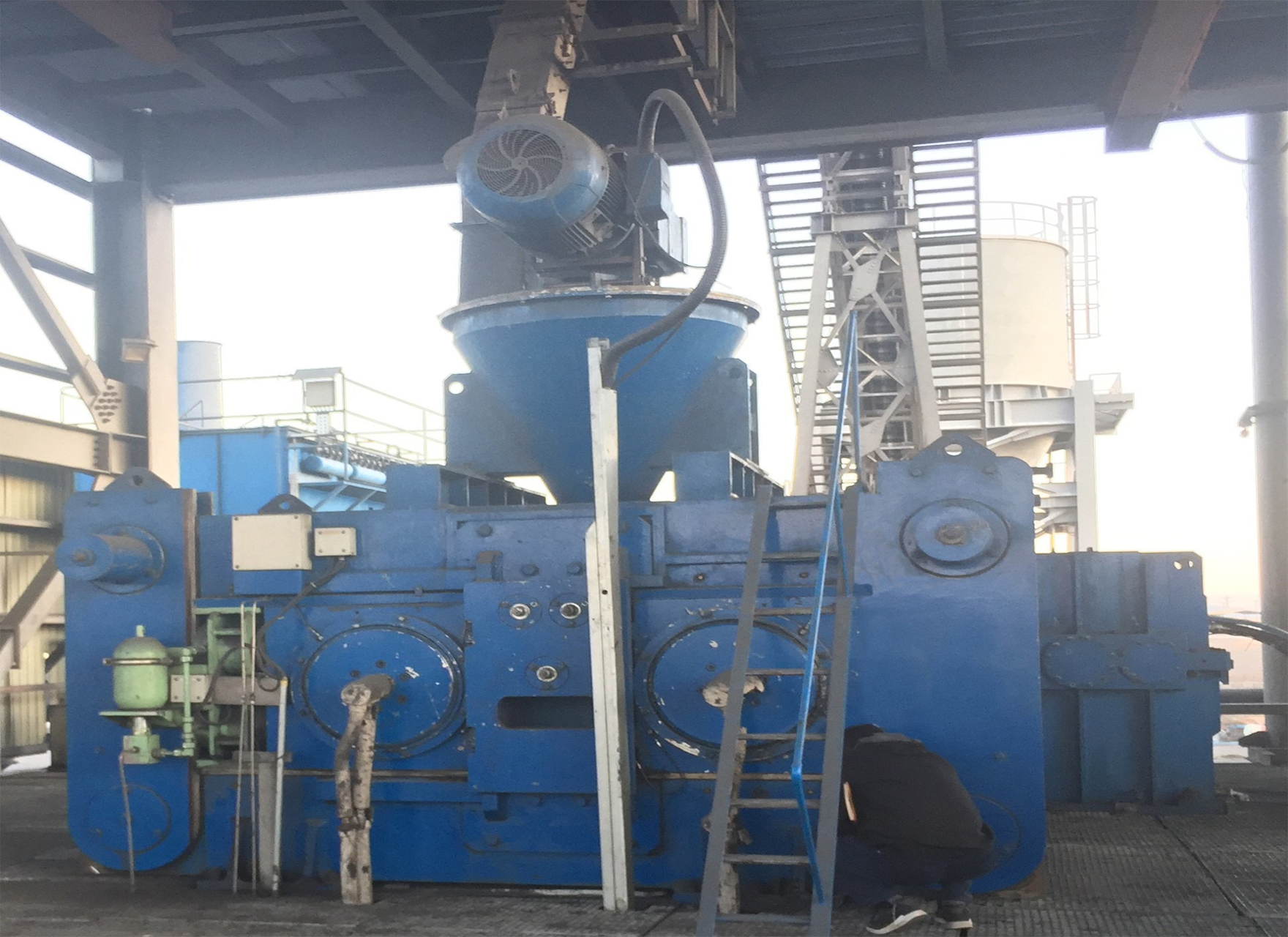
briquetting production lines.
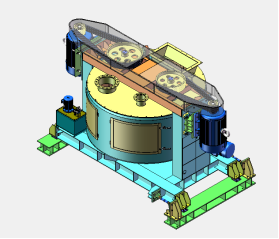
Working Principle and Application Fields of Mixers
A mixer is a device designed to uniformly blend two or more materials. It is widely used across various industries, including food, chemicals, pharmaceuticals, building materials, and more. Its primary function is to enhance material uniformity and stability to meet production process requirements.
Where there is briquette, mixing, drying,
and related system solution,there is Kaizheng
Copyright@2024 Luoyang Kaizheng Environmental Protection Processing Equipment Co., Ltd